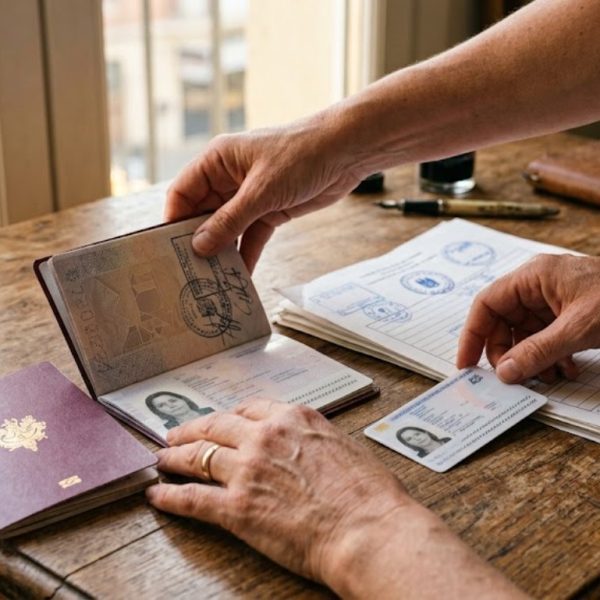
Navigating international bureaucracy, academic admissions, or immigration procedures often requires more than a regular translation. When you submit documents to authorities, courts, universities, or licensing boards, they usually demand certified translations that comply with strict standards. Failing to meet these requirements can result in rejection, delays, and extra costs. Understanding what certified translation services must provide to pass official review helps you choose the right provider and prepare your documents correctly from the start.
1. Clear Certification Statement on Official Letterhead
A certified translation must include an explicit statement from the translator or translation agency confirming that the translation is complete and accurate. This statement, often called a "certificate of accuracy" or "certificate of translation," should:
- Appear on official letterhead with the company’s name, address, and contact details
- Identify the original document (type, language, and in some cases, date or reference number)
- State that the translator is competent to translate from the source language to the target language
- Affirm that the translation is a true and faithful rendering of the original
Authorities look for clear responsibility and traceability. If the certification statement is incomplete, missing contact details, or written informally, officials may reject the submission outright.
2. Qualified Translators with Subject-Matter Expertise
Certified translation is not just about language fluency. Review bodies expect translators to have the right qualifications and, when necessary, specialization in a specific field. For example:
- Legal documents (contracts, court decisions, powers of attorney) require legal terminology expertise
- Medical documents (records, lab reports, prescriptions) demand knowledge of medical jargon and abbreviations
- Academic records and diplomas need familiarity with educational systems and credential terminology
A reputable provider of hindi to english translation will select translators with proven experience in handling official documents, not just general content. Officials are more likely to trust translations completed by professionals with verifiable credentials and a relevant background.
3. Accurate Formatting That Mirrors the Original
Many official bodies expect the translated document to reflect the structure and layout of the original as closely as possible. A certified translation service that passes review will:
- Recreate headings, subheadings, tables, and lists in the same order
- Maintain page breaks and document hierarchy where feasible
- Indicate signatures, seals, stamps, watermarks, and handwritten notes clearly
- Mark illegible sections or missing text in a standardized, transparent way
When formatting is inconsistent or crucial visual elements are omitted, officials may question whether the translation is truly complete, which can jeopardize acceptance.
4. Proper Identification of Seals, Stamps, and Special Marks
Official documents often contain seals, stamps, physical endorsements, or embossed marks. Certified translations must not ignore these; instead, they must describe them. A compliant translation will:
- Note the presence of seals or stamps in brackets, translating any visible text
- Indicate if a seal is illegible or partially visible
- Refer to signatures as "signature" without attempting to replicate them
- Include any reference numbers, dates, or official identifiers visible on the marks
Authorities often verify authenticity through these details. If the translation omits or misrepresents them, they may suspect alteration or incompleteness.
Civil status paperwork is where this comes up most, because those documents are mostly seals, stamps and registry numbers with very little running text. Birth, marriage, divorce and death certificates are named among the document types PoliLingua handles, and translating one is largely an exercise in describing what is stamped on it. If your provider returns a clean page with none of those marks noted, send it back before it reaches the authority.
5. Consistent Terminology and Correct Names
Inconsistent terminology is a common reason for official scrutiny. Certified translation services must maintain consistency throughout the document, especially for:
- Legal terms, job titles, and institutional names
- Technical vocabulary in medical, engineering, or financial texts
- Repeated phrases in contracts or court documents
Proper treatment of personal names is essential. Translators should:
- Transcribe names exactly as they appear on identification documents
- Handle transliteration carefully when alphabets differ
- Maintain the same spelling across all pages and references
Discrepancies in spelling or terminology can cause confusion, lead to questions about identity, and even result in the need for re-issuance.
6. Inclusion of All Pages and Attachments
Official reviewers require that the certified translation covers the entire source document, not just selected parts. A robust certified translation service ensures that:
Official review is unforgiving about small inconsistencies, and the reviewer almost never explains which detail failed. For filings involving Chinese documents the margin is thinner still, because a reviewer may compare the translation against a seal, a stamp and a registry entry at once, so working with an established chinese translation agency is a practical safeguard rather than a luxury.
- Every page of the original is translated, even if it is blank but numbered
- Annexes, attachments, and appendices are either translated or clearly identified
- Page numbers in the translation match or correspond logically to the original
- Any omitted content (if explicitly requested) is documented with justification
Partial translations without explanatory notes are often rejected because authorities cannot verify the integrity of the full document.
7. Appropriate Signatures, Dates, and Contact Details
For a certified translation to pass official review, the certification section must be properly executed. This involves:
- The translator’s or authorized representative’s handwritten or digital signature
- The printed name and title or role (e.g., "Certified Translator," "Project Manager")
- The date of translation or certification
- Reliable contact information for follow-up verification
Some jurisdictions also require additional elements such as membership numbers from professional associations, notarial authentication, or sworn translator status. A professional agency will advise you on whether such extra steps are necessary for your target country or institution.
8. Compliance with Local Legal and Institutional Requirements
Different authorities follow different rules. For example:
- Immigration offices may have specific language or format instructions
- Courts might demand sworn translations produced by registered court translators
- Universities may accept digital certified translations but require secure delivery
- Regulatory agencies can insist on notarized or apostilled documents
A certified translation service that regularly handles official submissions will be familiar with these nuances. They will adapt the certification wording, layout, and supporting documentation to match the expectations of the reviewing body, significantly improving your chances of smooth approval.
9. Secure Handling and Traceable Delivery
Finally, how your documents are handled and delivered also affects acceptance. Authorities may question documents that look tampered with or lack clear origin. Professional certified translation services typically:
- Protect confidential data using secure file transfer and storage
- Maintain internal records of who translated and reviewed each document
- Provide traceable delivery methods for physical copies when required
- Supply digital copies with identifiable file metadata and version control
This level of professionalism reassures officials that the translation is authentic, controlled, and verifiable.
Choosing Certified Translation That Stands Up to Scrutiny
When your future plans depend on an official decision, you cannot treat translation as a simple formality. Certified translation services must deliver more than bilingual text; they need to provide legally reliable, structurally accurate, and fully documented work that meets the specific expectations of the reviewing authority. From carefully worded certificates and expert translators to correct formatting, identification of seals, and secure handling, each detail contributes to successful approval.
By understanding these requirements and selecting a provider capable of meeting them, you minimize the risk of rejection, avoid costly delays, and present your documents with confidence. Whether you are dealing with immigration, academic, legal, or professional recognition processes, the right certified translation partner ensures that your paperwork is ready to pass official review the first time.